Blog ·
Understanding Wood Selection for Your Custom Furniture
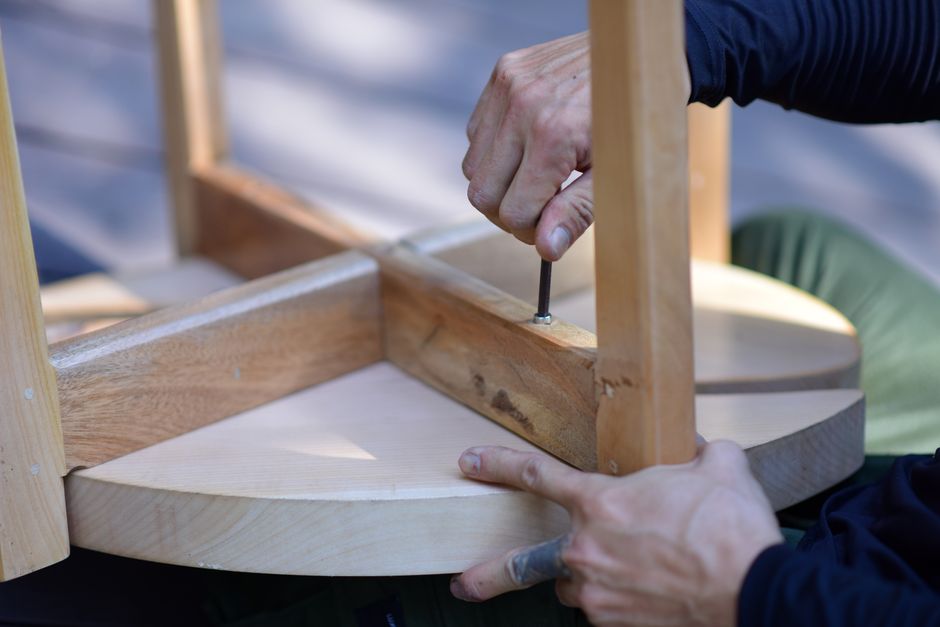
Wood selection profoundly influences your custom furniture's appearance, durability, and character. At Gosmore System, wood choice remains one of the most important decisions in your furniture's creation. Different woods possess different characteristics that affect how they age, how they feel to touch, and how they look over time. Understanding these differences helps you make selections aligned with your vision and expectations.
Hardwoods like oak offer distinctive grain patterns and excellent durability. Oak's prominent grain can dominate a room's visual aesthetic, making it ideal when you want that characteristic look. It's extremely hard and resistant to damage, making it excellent for furniture that will experience heavy use. Oak also accepts stain beautifully, allowing customization of its natural color.
Walnut provides rich, deep tones that deepen further over time. Its grain pattern is more subtle than oak, creating an elegant appearance many find sophisticated. Walnut is moderately hard and machines beautifully, allowing detailed joinery and carving. Its natural color makes staining optional—many prefer showcasing walnut's authentic appearance.
Cherry offers warm, reddish tones that develop beautiful patina over decades of use. It's moderately hard and finishes smoothly, creating pieces with refined appearance. Cherry's color deepens with sunlight exposure, a characteristic that appeals to those wanting furniture that visibly ages with their home.
Maple presents a lighter, more neutral palette. It's very hard, making it excellent for surfaces experiencing significant wear. Maple accepts stain well and finishes to high polish. Its hardness comes with a trade-off—it's more demanding to work with, requiring greater skill in craftsmanship.
Beyond these common selections, other woods offer unique characteristics. Ash provides strength with lighter color and open grain. Hickory offers dramatic grain with exceptional hardness. Exotic woods bring distinctive colors and patterns unavailable in domestic species.
Beyond the wood species, how wood is milled affects your finished piece. Quarter-sawn wood displays different grain patterns than flat-sawn and provides greater dimensional stability. Plain-sawn wood shows cathedral grain patterns that many find visually striking.
Your craftspeople at Gosmore System help navigate these options by understanding your priorities. Do you prefer prominent grain or subtle patterns? Do you want warm or cool tones? Will your furniture experience heavy use requiring maximum hardness? Are you drawn to wood's authentic color or do you prefer staining for customization?
Environmental considerations matter too. Some choose sustainably harvested domestic woods. Others prefer specific species for unique characteristics. Discussing your preferences allows your craftspeople to source materials aligning with both your vision and your values.
The wood in your furniture isn't merely material—it's the foundation of your piece's character and longevity. Taking time to understand wood selection ensures your custom furniture brings you satisfaction for decades.